It’s a step in the right direction but ultimately you’re still fighting windmills. For one thing, very few goods that are purchased by an end-consumer, regular citizen are for investment purposes. So you might use a computer to study. You might use your car to get to a job, or better yet, as a taxi cab that you earn money driving. What else you got? Of the literally millions of products and services that regular citizens buy, how many of them can even be considered partially an investment, even with your extremely loose, extremely broad, and almost non-sensical definition of “investment”? They are called “consumer goods” for a reason. So even if we could somehow calculate what you’re talking about and figure some percentage of consumer goods actually being “investment” purchases, the difference would likely be quite negligible.
But let’s get to the heart of your point. Your whole thesis with all of this is to try to claim that a low savings rate isn’t necessarily a bad thing. Well…yeah, I guess…I mean, if you really put it to someone, (someone who has some degree of economic understanding, anyway) I doubt they would disagree with you. But not because of some contrived “well actually some of that consumer spending is not really consumption so that means it’s actually investment, which is a good thing.” The truth is much simpler than that.
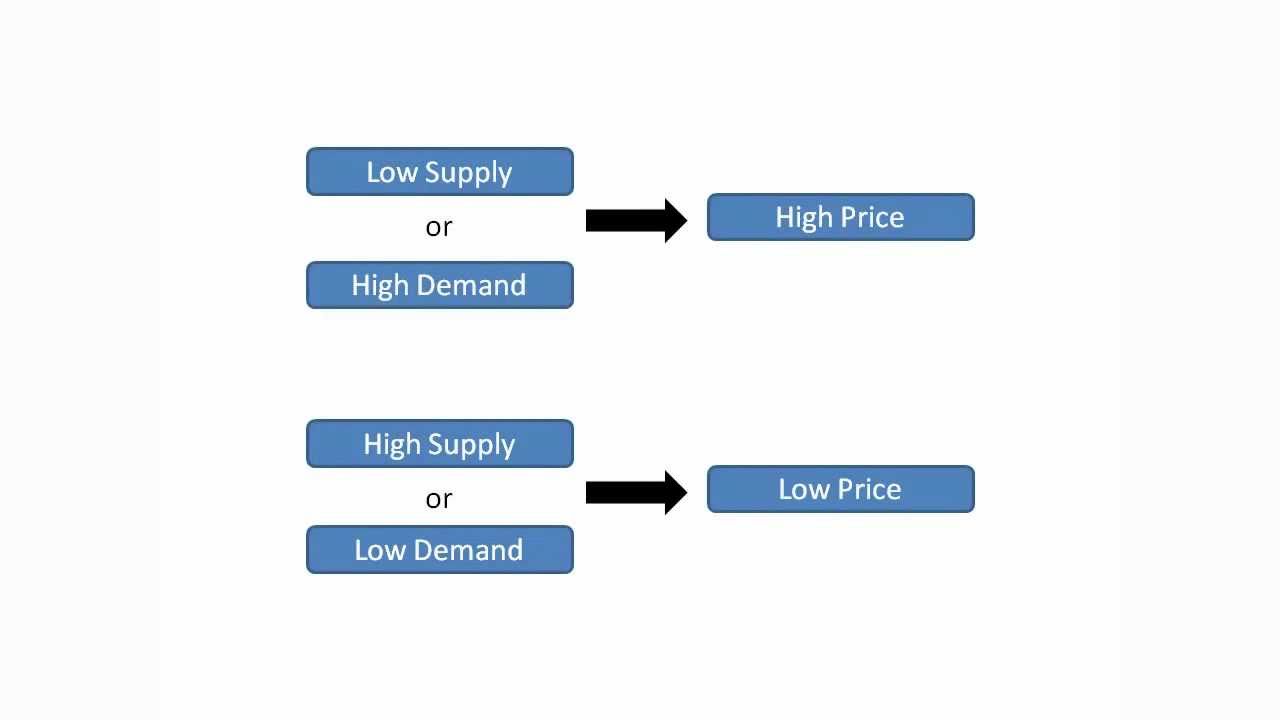
Just as “spending” isn’t inherently “good”, “saving” isn’t either. What’s good is producing. And yes, investment generally allows for increased future production, which is ultimately a good thing…but not if people aren’t interested in sacrificing consumption in the present term. Savings is literally underconsumption…which means that people are willing to forgo some degree of present satisfaction in the hope that they will attain greater satisfaction in the future. So yes, savings is good in the sense that it allows for capital investment and greater output in the future, making everyone better off…but people have to be willing to save. If they are happier consuming in the present, so be it. This means that interest rates will be higher, and capital investment will be more expensive, as there will be less savings to pull from, meaning less investment will take place. But the higher interest rates go, the more people will be enticed to underconsume and lend instead, as it will pay them a greater return. And at some point a match between the amount of savings and the amount of funds demanded for investment will be attained. This is simply the law of supply and demand at work.
The problem comes in when this process of coordination between consumer preferences and and producer output is distorted…usually by a manipulation of the money supply by a central bank. The main reason you hear “savings is good” is because we currently overconsume…meaning not only do we consume everything we produce, we borrow from the rest of the world and consume what they lend us too. You can’t do that for very long…and we’re starting to see the effects of it…as well as the beginning of the process that will bring it to an end. “Saving is good” now because that’s what we need now…we need to consume less. And we also need to increase capital available for production. Saving makes both of those things happen.
This is all at the heart of Austrian Business Cycle Theory: