When we consider, however, instead of the physical, the psychological character of our species, the most evident distinguishing sign is man’s organization of his life according primarily to mythic, and only secondarily economic, aims and laws. Food and drink, reproduction and nest-building, it is true, play formidable roles in the lives no less of men than of chimpanzees. But what of the economics of the Pyramids, the cathedrals of the Middle Ages, Hindus starving to death with edible cattle strolling all around them, or the history of Israel, from the time of Saul to right now? If a differentiating feature is to be named, separating human from animal psychology, it is surely this of the subordination in the human sphere of even economics to mythology. And if one should ask why or how any such unsubstantial impulsion ever should have become dominant in the ordering of physical life, the answer is that, in this wonderful human brain of ours there has dawned a realization unknown to the other primates. It is that of the individual, conscious of himself as such, and aware that he, and all that he cares for, will one day die.
Someone just posted this on another thread but I thought it also needed to go here
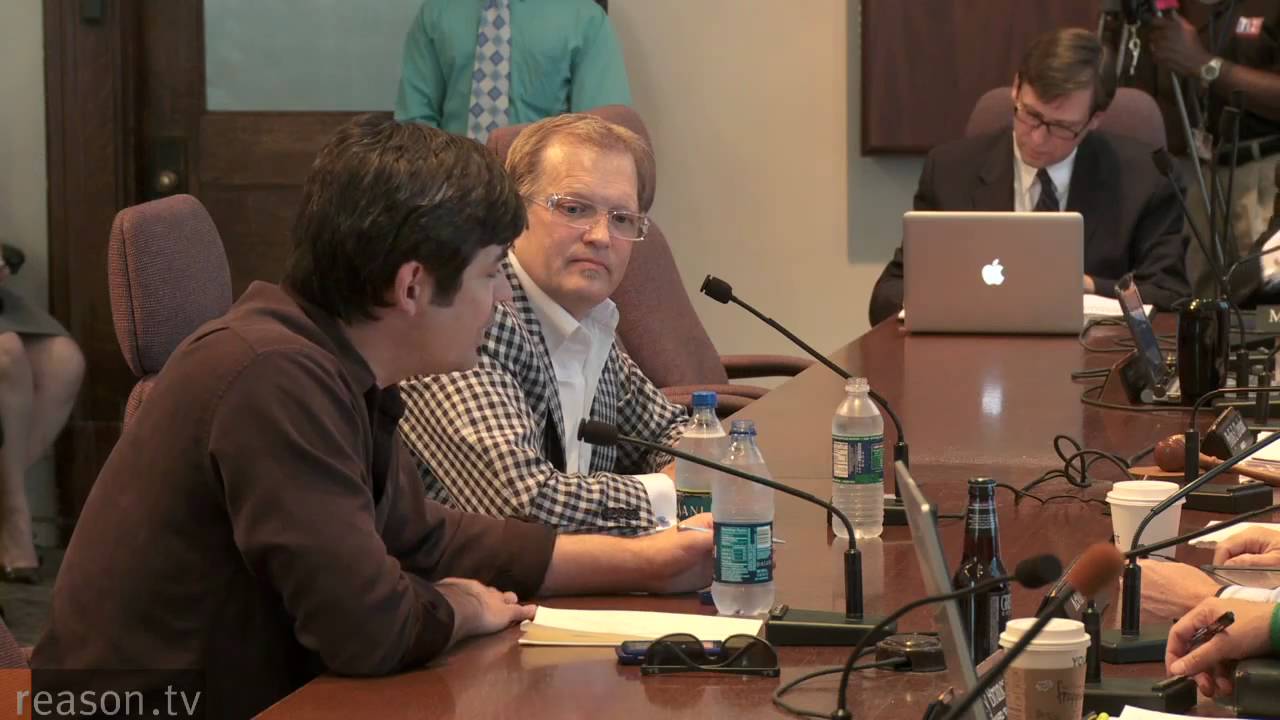
I love when one of the council members says “If you sign is in line with regulations, it shouldn’t take more than 4-5 days to get approved. If its out of regulation, you know if it has more than 3 colors, then…”
Drew: “wait…why is a sign out of regulations if it has more than three colors?”
Council member: “Because that is the rule.”
Drew: “Get rid of it.”
lol, “look drew its a rule because its a rule, it just is!”
Rene Descartes walks into a bar, sits down, and orders a beer. When he’s drained it, bartender asks him, “Would you like another one, sir?” Descartes replies, “I think not.” Then he promptly disappears.
“I think you get more prestige by doing good science than by doing popular science because if you go with what you really think is important then there’s a higher chance that it really is important in the long run and it’s the long run which has the most benefit to the world.”
Rene Descartes walks into a bar, sits down, and orders a beer. When he’s drained it, bartender asks him, “Would you like another one, sir?” Descartes replies, “I think not.” Then he promptly disappears.
Working on a V.R. article based on one of Jung’s books. Thought I’d share this:
The infantile dream-state of the mass man is so unrealistic that he never thinks to ask who is paying for this paradise. The balancing of accounts is left to a higher political or social authority, which welcomes the task, for its power is thereby increased; and the more power it has, the weaker and more helpless the individual becomes.