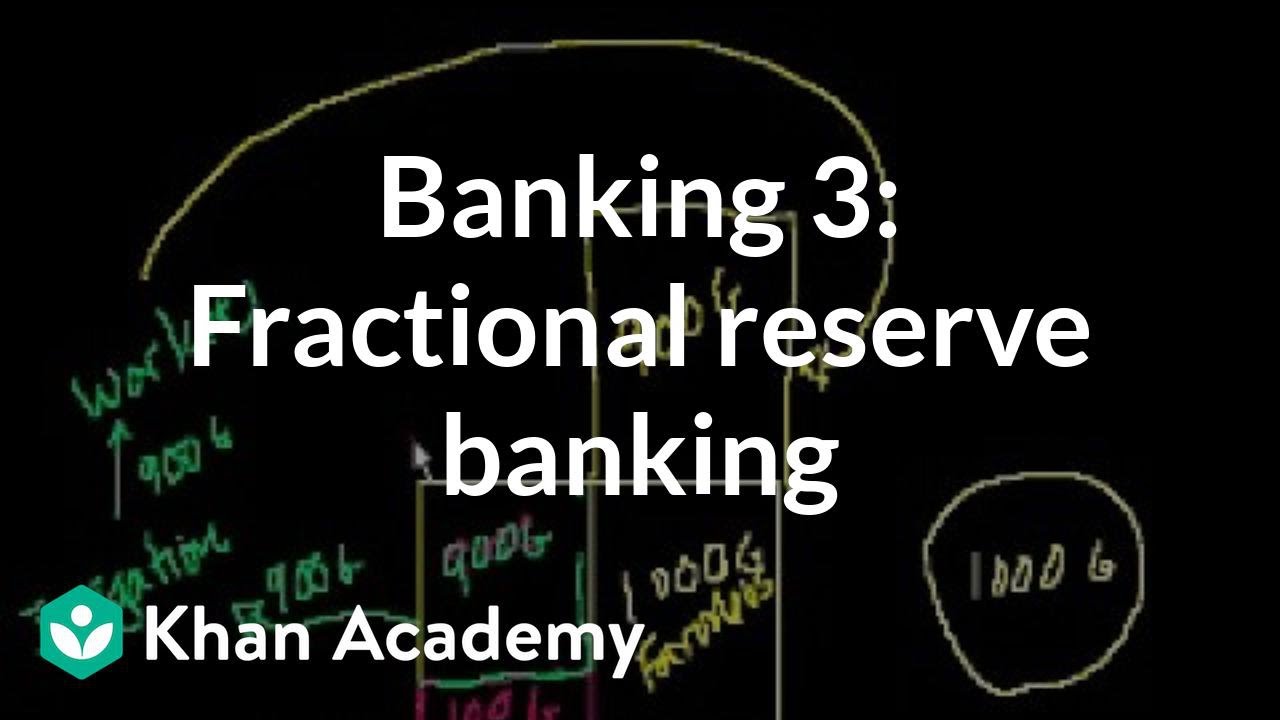
i learned from this site that banks create money through loans by typing data into computer screens , ultimately costing them next to nothing to loan ‘money’
but why do we always hear in the media that banks are reluctant to loan due to a fear of defaults?
it’s not as though loaning money costs a bank anything subtantial
Although loaning money may be costless (I’m unsure whether this is the case, but I doubt it), a bank always runs the risk of becoming insolvent if it makes a bunch of bad loans. Banks would be unable to pay their liabilities and would go bankrupt (sans government bailout).
First of all, his description of the ‘multiplier’ effect was nothing like any description I’ve heard before. Sounded like he was explaining credit expansion? I thought the multiplier was something like the idea that government spending flows through the economy and increases aggregate demand by an amount more than the initial spending because of some mojo which I can’t make any sense of.
Secondly, the whole expansion of the money supply illustration didn’t sit right with me. It seemed like the “1=2” proof, in that some of his steps simply didn’t follow. Is it correct that he is able to just keep on adding the new loaned money onto the ‘liabilities’ pile without subtracting those loans from the initial 1000g beforehand? The rest of it kind of made sense in a way if I accept his premises, but the explaination seemed wrong to me.
I know fractional reserve banking is pretty shady business, but I wouldn’t think a system would remain viable for so long.