Commies and other wacko leftists often like to claim that real wages are falling in the United States, and that this fall is due to “free markets.” Theoretically, of course, this claim is bunk (if firms are profit-maximizing, then they will continually seek to expand production through greater investment, which will in turn increase real wages). Here is the empirical data to whack such pinko Marxist claims on the head with:
The above shows total real compensation per hour. In other words, it’s compensation (wages + benefits) that workers receive per hour, not just wages.
This one could be a good one to throw at unions such as the UAW. Real compensation for the manufacturing sector has increased by 25% since the mid 90s.
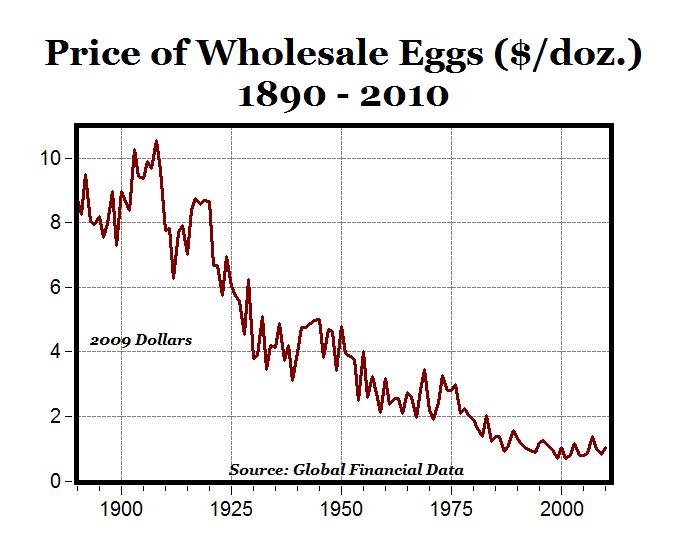
Although the price of eggs doesn’t tell us much by itself, it does indicate that productivity increases have made life-necessities like food much more affordable to the average person.
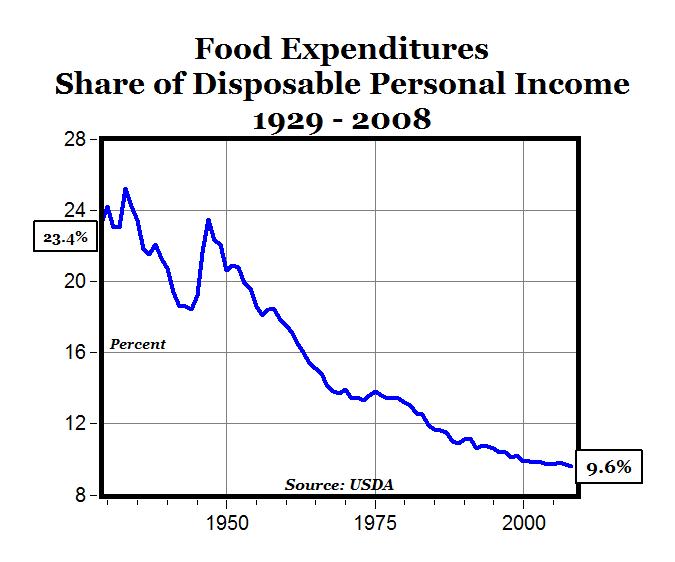
Few people will argue that Americans ate more per capita in 1929 than today. This graph shows that the food has become progressively cheaper to the American worker as a result of capitalism.
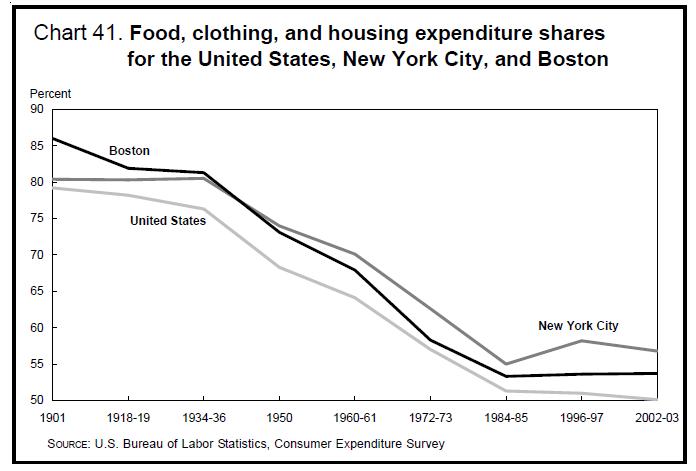
Further proof that the necessities of life have become cheaper in the United States as a result of productivity increases and capitalism.
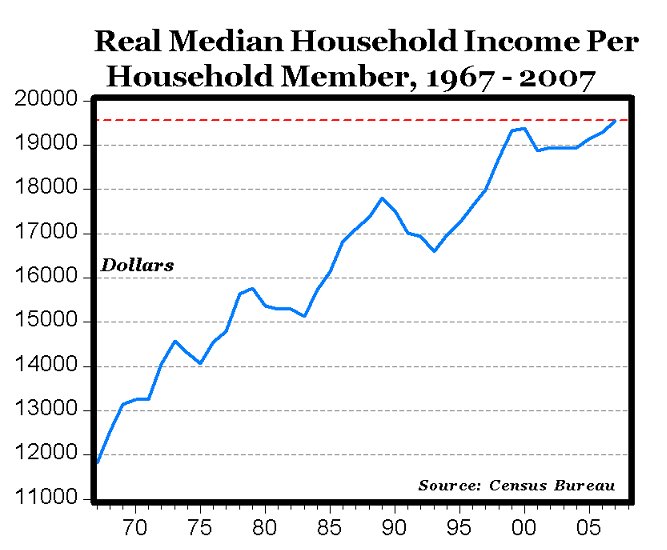
The above is fun to throw at people who post the now infamous “falling real wages” graph.
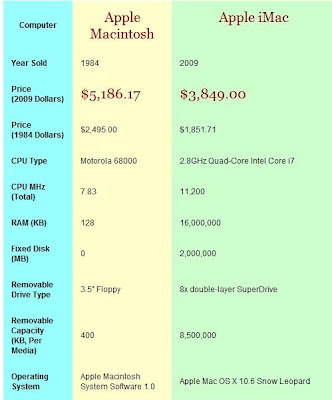
Though not very useful by itself, this data is a pertinent reminder of how new technology has not only vastly increased living standards in a way that’s immeasurable, but also how new technology has become increasingly affordable over the decades.
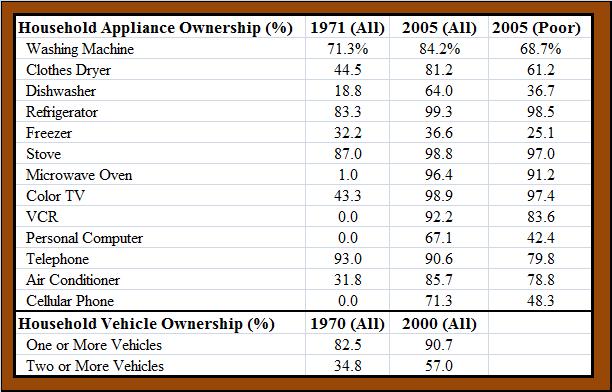
If Americans are becoming poorer, then why are they better able to afford day-to-day products?
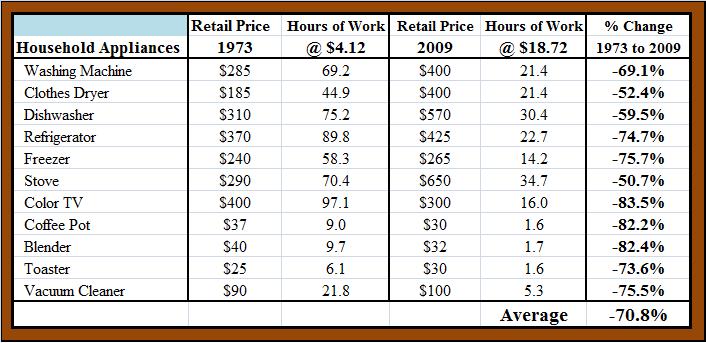
This puts the “falling real wages” argument in perspective.
All of these graphs have been culled from Dr. Perry’s blog at http://mjperry.blogspot.com.